

How To Help A Child Who Struggles With Change
Does your child struggle with transitions or get stuck when rules change? Learn why kids have difficulty adapting to change and how to support cognitive flexibility.
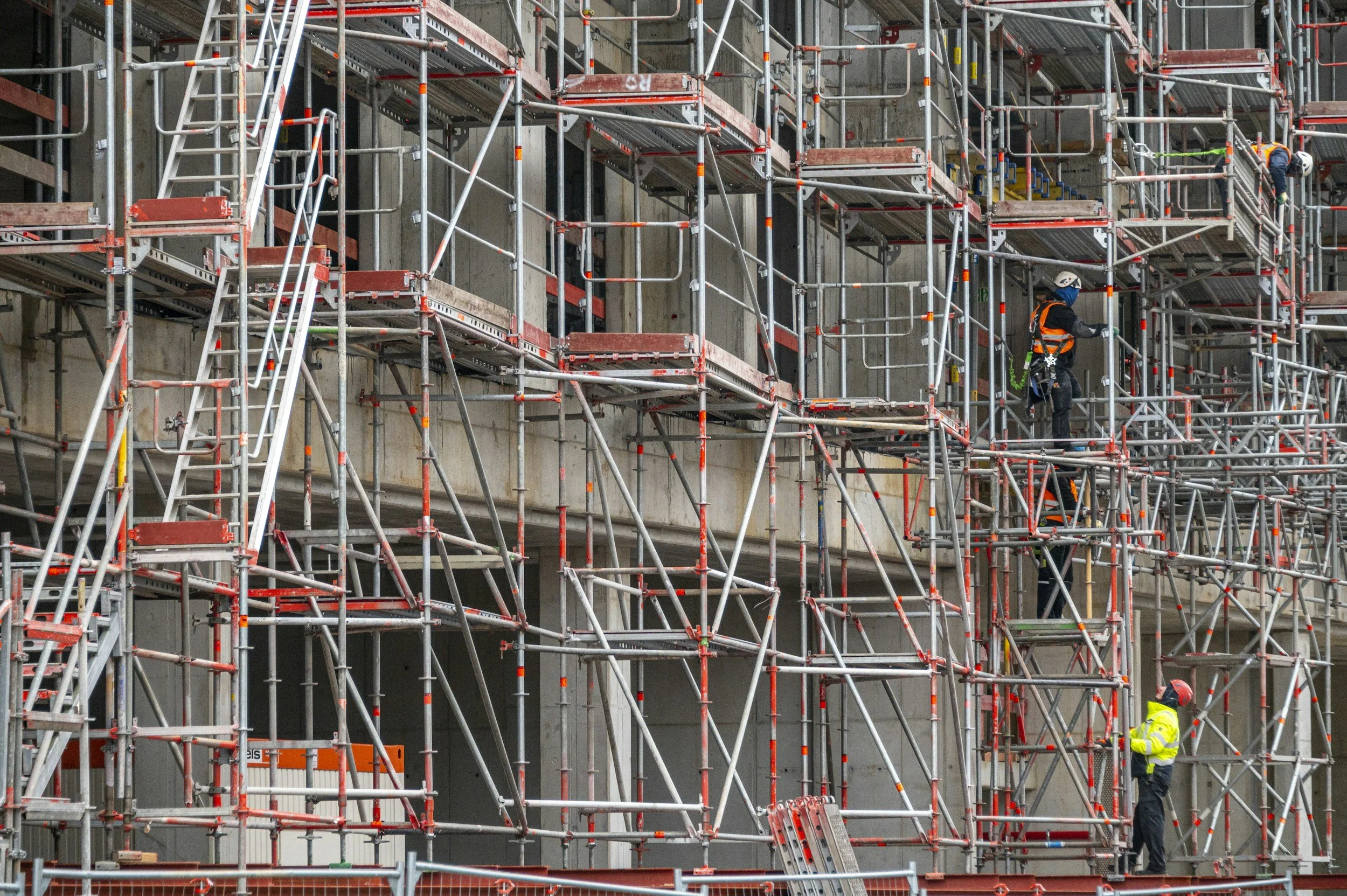
Scaffolding: The Parenting Skill That Builds Real Independence
Scaffolding is a powerful parenting strategy rooted in child development research that helps children build independence, confidence, and resilience. Instead of hovering or solving problems for them, parents provide temporary, developmentally appropriate support that bridges the gap between what a child can do alone and what they’re still learning.
How To Empathize With Your Child
When kids are overwhelmed by big emotions, it’s tempting to jump straight to logic or discipline. But better behavior doesn’t start with more reasoning. It starts with empathy.
The Resilience Formula: How Kids Bounce Back
Every child faces challenges, but how they respond can look very different. Resilience isn’t about being “tough” or avoiding stress. It’s the balance between protective factors and risk factors in a child’s life.
In this post, we explore practical ways parents, caregivers, and communities can help kids thrive, even in the face of adversity.
How Attachment Shapes Your Child
Attachment is the blueprint children use to navigate relationships and regulate emotions. In this post, we explore secure, avoidant, ambivalent/resistant, and disorganized attachment styles, how they develop, and the impact they have on lifelong relationships. Learn strategies for fostering secure attachment, repairing ruptures, and supporting emotional development at any age
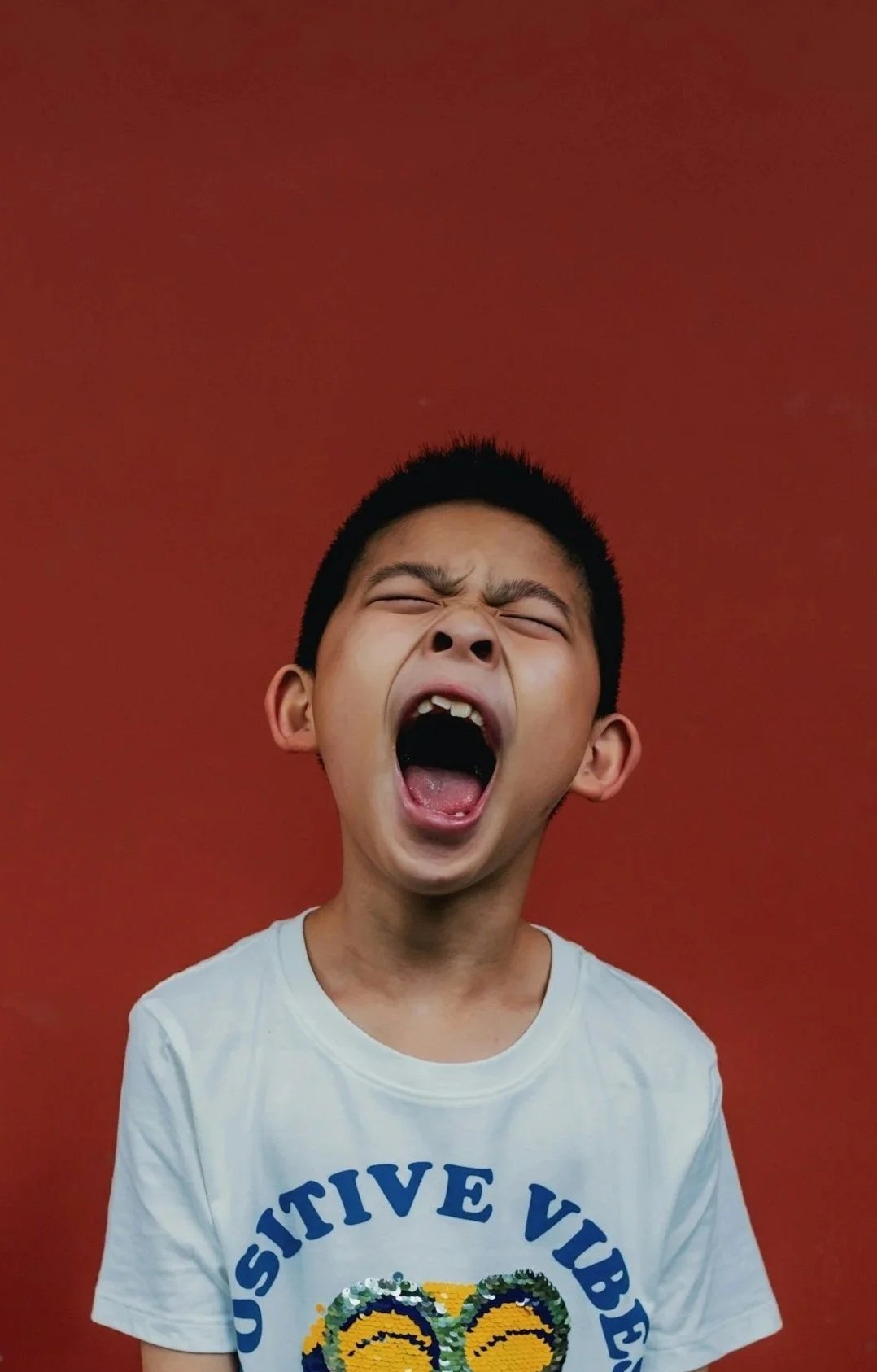
Why Is My Child So Angry?
Anger is a normal human experience, especially for children. Learn where your child’s anger comes from, why it feels so intense, and how to respond to it meaningfully and effectively.
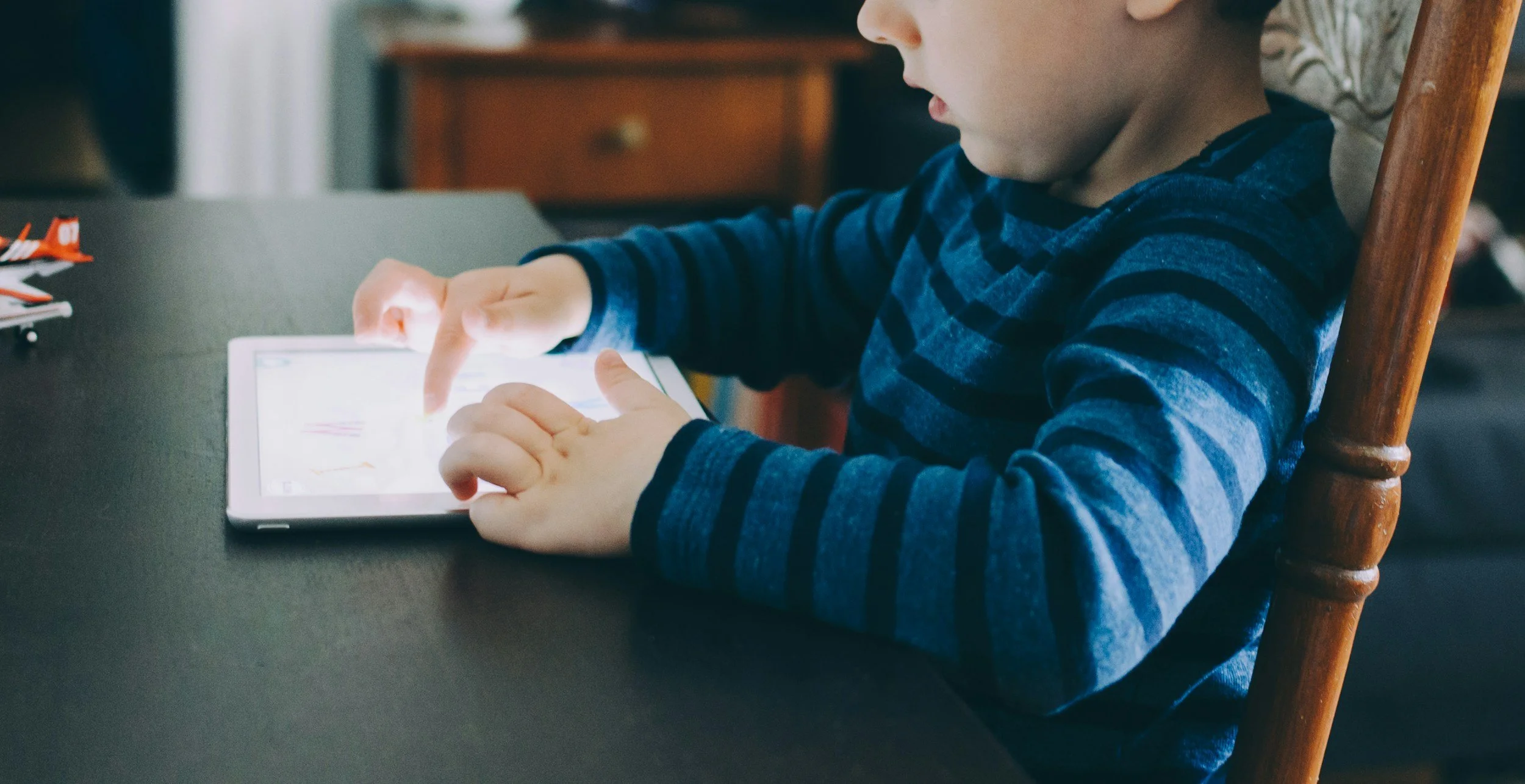
The Dopamine Loop: Helping Kids Connect Effort to Reward
Your child’s developing brain is hard-wired to seek out pleasure, but not fully equipped to regulate itself in the process. When kids learn to tolerate frustration and find satisfaction in effort, they can grow in resilience, patience, and personal power.

Mindfulness for Kids: Getting Good at Slowing Down
Many kids love to move quickly, yet struggle to slow down. By learning and practicing mindfulness techniques, kids can benefit from learning how to be both fast and slow, leading to greater flexibility, problem-solving skills, and emotional regulation.

When Kids Don’t Have The Words
When kids can’t find the right words to use, their behavior becomes an expression of their needs. This post explores how to interpret those “warning lights” with empathy, curiosity, and calm connection.